

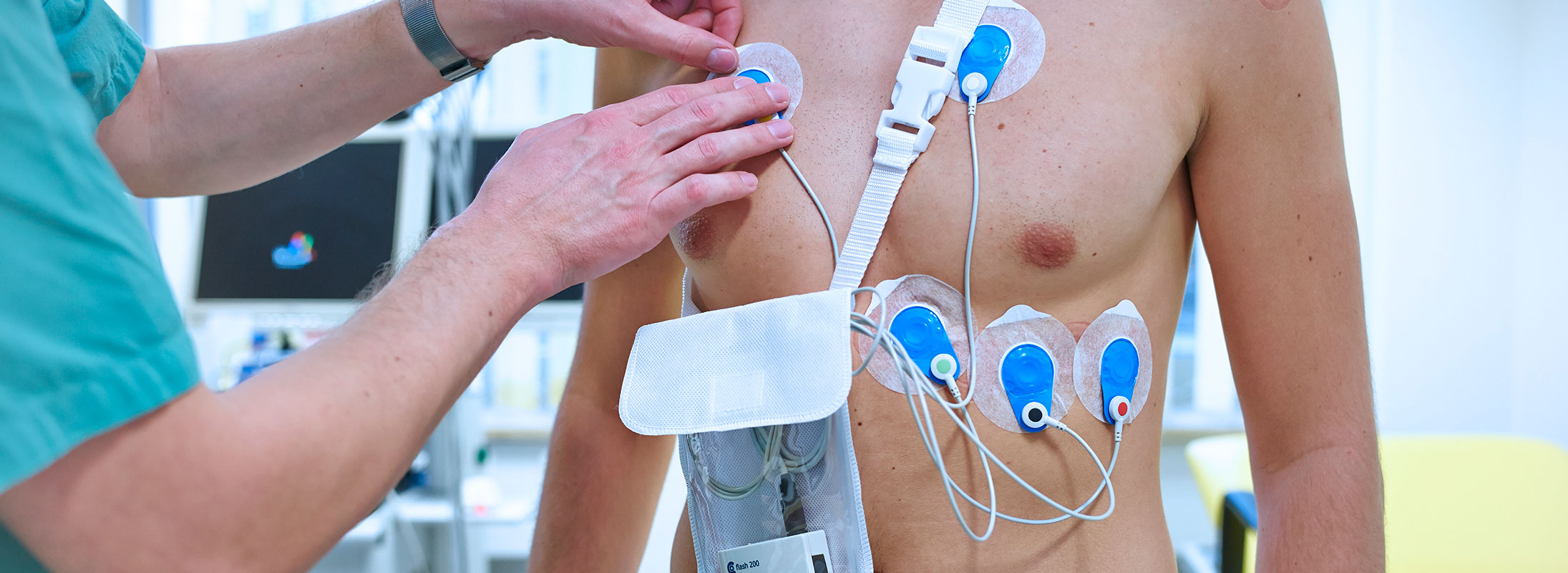
Text example: Cardiovascular diseases (CVD) are diseases of the heart and blood vessels. Cardiovascular diseases account for a large proportion of deaths worldwide. Over half of these deaths can be attributed to poor nutrition. Cardiovascular diseases can usually be treated effectively if diagnosed in time.
The causes of cardiovascular disease are varied and can be divided into modifiable and non-modifiable risk factors. Non-modifiable risk factors include age, gender and genetic predisposition. Modifiable risk factors include (in descending order of relevance according to GBD): high blood pressure, diet, dyslipidaemia (often hypercholesterolaemia), diabetes, obesity, smoking, air pollution, lack of exercise and excessive alcohol consumption. Other modifiable risk factors are also known: undiagnosed coeliac disease, rheumatoid arthritis, psychosocial factors, poverty and low educational attainment.
The most common cardiovascular diseases
CHD is one of the most common diseases in Germany. The main consequences of CHD are heart attacks and heart failure (cardiac insufficiency). Diagnosing and treating the disease, as well as preventing it, are among our main tasks.
This includes unstable angina pectoris and various types of heart attack. Our department has a 24-hour on-call service available for the immediate treatment of ACS.
Common valve defects include aortic stenosis (narrowing of the aortic valve/insufficient opening of the valve) and, for example, leakage of the leaflet valves (mitral valve insufficiency, tricuspid valve insufficiency). First, these valve defects must be identified and their severity classified. Then a decision can be made about the treatment: conservative medication, interventional or surgical.
The term heart failure refers to cardiac insufficiency. In heart failure (cardiac insufficiency), the heart is no longer able to pump the required amount of blood through the body. Shortness of breath and fatigue are typical consequences. Cardiac insufficiency is the main reason for hospital admission in the United Kingdom.
High blood pressure is one of the main risk factors for cardiovascular disease. Treating high blood pressure and hypertension is one of our most important tasks.
HRST can be classified as slow (bradycardia) or fast (tachycardia). The focus of our work is on determining whether these conditions require treatment. Furthermore, the question of the prognostic relevance of arrhythmias for the patient must be answered.
Cardiac muscle diseases (cardiomyopathies) are congenital or acquired conditions that lead to thickening of the heart muscle (hypertrophy) and/or enlargement (dilatation) of the heart chambers without any underlying heart or vascular disease. Appropriate diagnosis is important in order to assess the prognosis of the disease. Heart muscle diseases can lead to a weakening of the heart's pumping function or sudden cardiac death.
In cases of heart muscle inflammation (myocarditis), acute or chronic inflammatory processes can be detected in the heart. The disease can be accompanied by a wide variety of symptoms. These symptoms are often very unspecific, which is why it is often difficult to immediately recognise heart muscle inflammation as such.
There are various causes of heart muscle inflammation. In about half of all cases, viruses are the trigger. Heart muscle inflammation is often preceded by an infection, such as a cold, diarrhoea or flu.
Syncope refers to an acute, reversible loss of consciousness. Our tasks include determining the cause and assessing the prognosis for the patient.
An important cause of acute chest pain can be a tear in the aortic wall or bleeding into the aortic wall. Certain forms of this condition are initially treated conservatively. Other types must be referred immediately to cardiac surgeons for appropriate diagnosis.
Severe narrowing (stenosis) of the carotid artery can in many cases be the cause of a stroke. In our centre, stenosis of the carotid artery is treated with a vascular support (stent).
This life-threatening condition can occur after leg vein and pelvic thrombosis. Further treatment depends on the severity of the condition. Severe cases are treated in internal intensive care.
certificates

Contact Cardiology and Internal Intensive Care Medicine
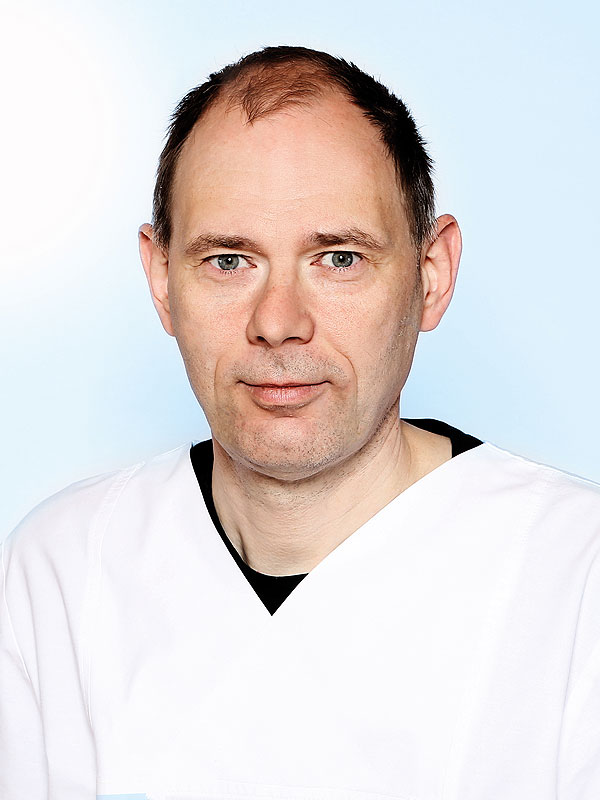
Dr. med. Andreas Brugger (englischer Eintrag)
Specialist in internal medicine/cardiology
Additional qualifications:
Interventional cardiology (DGK)
Specialised rhythmology (DGK)
Intensive care
Emergency/rescue medicine
Contact
Albert-Schweitzer-Straße 10
95326 Kulmbach
Cornelia Krauß
Phone 09221 98-1851
Fax 09221 98-1802
E-mail cornelia.krauss@klinikum-kulmbach.de
Office hours and appointments
Please call us to arrange an appointment.